
International Dark Sky Week!
Let's be more conscious about light pollution. Want to know how? Read on!

This week is International Dark Sky Week, a week where we try to be aware of the effects of light pollution on the world around us. Light pollution is, after all, a land-based astronomer’s worst enemy. But what is light pollution, and how can we control it?
What is light pollution?
Light pollution is, quite simply, when the artificial light we produce as humans alters the natural levels of light. On the smallest level, if someone walks through the woods with a lantern at night, startling wildlife and interrupting regular forest night activities, that is light pollution. Most of us, however are familiar with urban light pollution, which is far greater and more visible. Why is this pollution? It’s just light, right?
When we are in a populated space, we’re usually aware of the bad effects of pollution around us. Air pollution smells bad, makes us sneeze, dries our throats, and makes the sky hazy. Water pollution can change the color and smell of water and can also make it undrinkable or not safe to swim in. Land pollution is visible by the amount of trash or dumping in a place, sometimes of dangerous materials. All of these things are hazardous not only to humans, but to wildlife and plants as well. But light pollution can affect our world just as much as these other types of pollution, and it is just as obvious when you understand what it is.
One of the most obvious forms of light pollution on a large scale is called “sky glow.” When you drive toward a city at night, have you ever noticed the orange glow in the sky over it, particularly when it is cloudy? That’s sky glow. When you are in a place with lots of sky glow, it might not be really obvious at first. In fact, people who have lived in urban areas all their lives might not even realize it isn’t what the sky should look like at night. But sky glow is responsible for erasing the stars in the night sky.
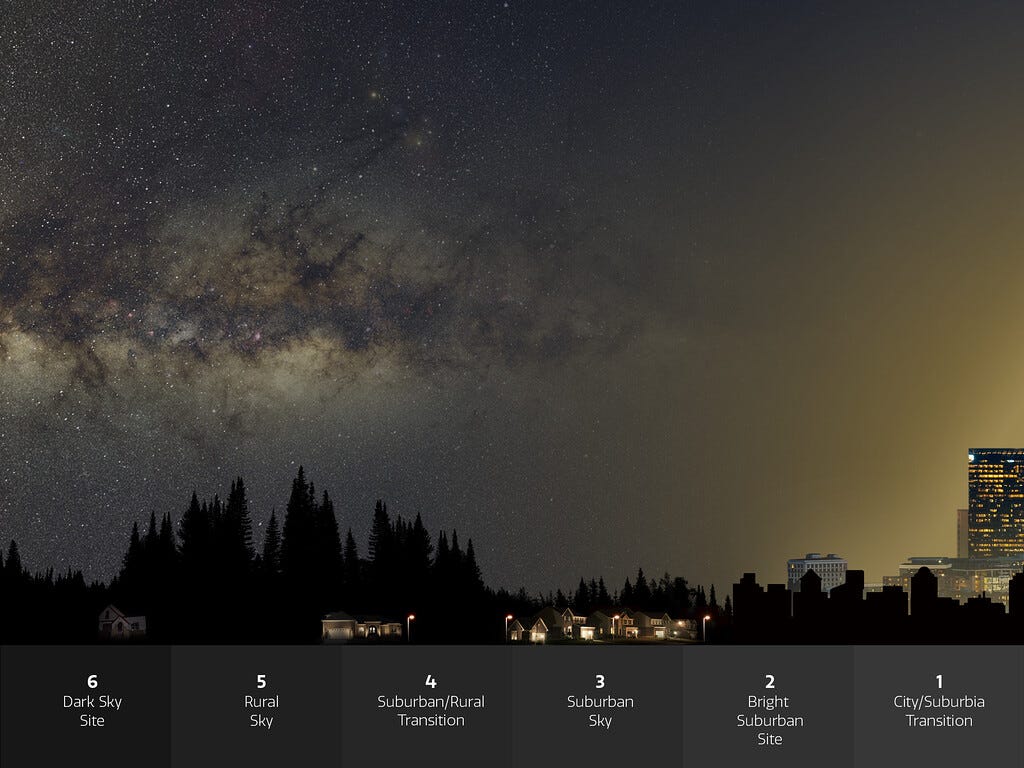
In a truly dark sky, you can see the Milky Way across the sky, and it seems like there are countless stars in the sky. No matter where you are in the world, the sky will look like this in a dark night sky without light pollution. Once you start introducing artificial light, however, and sky glow increases, the number of stars in the sky will seem to decrease. Billions of stars are still up there, but there is so much light from other sources competing with their light that we can’t see them in an urban setting because of the glow of the sky. This happens because light reflects off of tiny particles of moisture in the air. The more light, the more reflecting, and the more moisture, the even more reflecting. Couple this with human-created air pollution, and there are even MORE particles for light to reflect off of…and you get the picture.
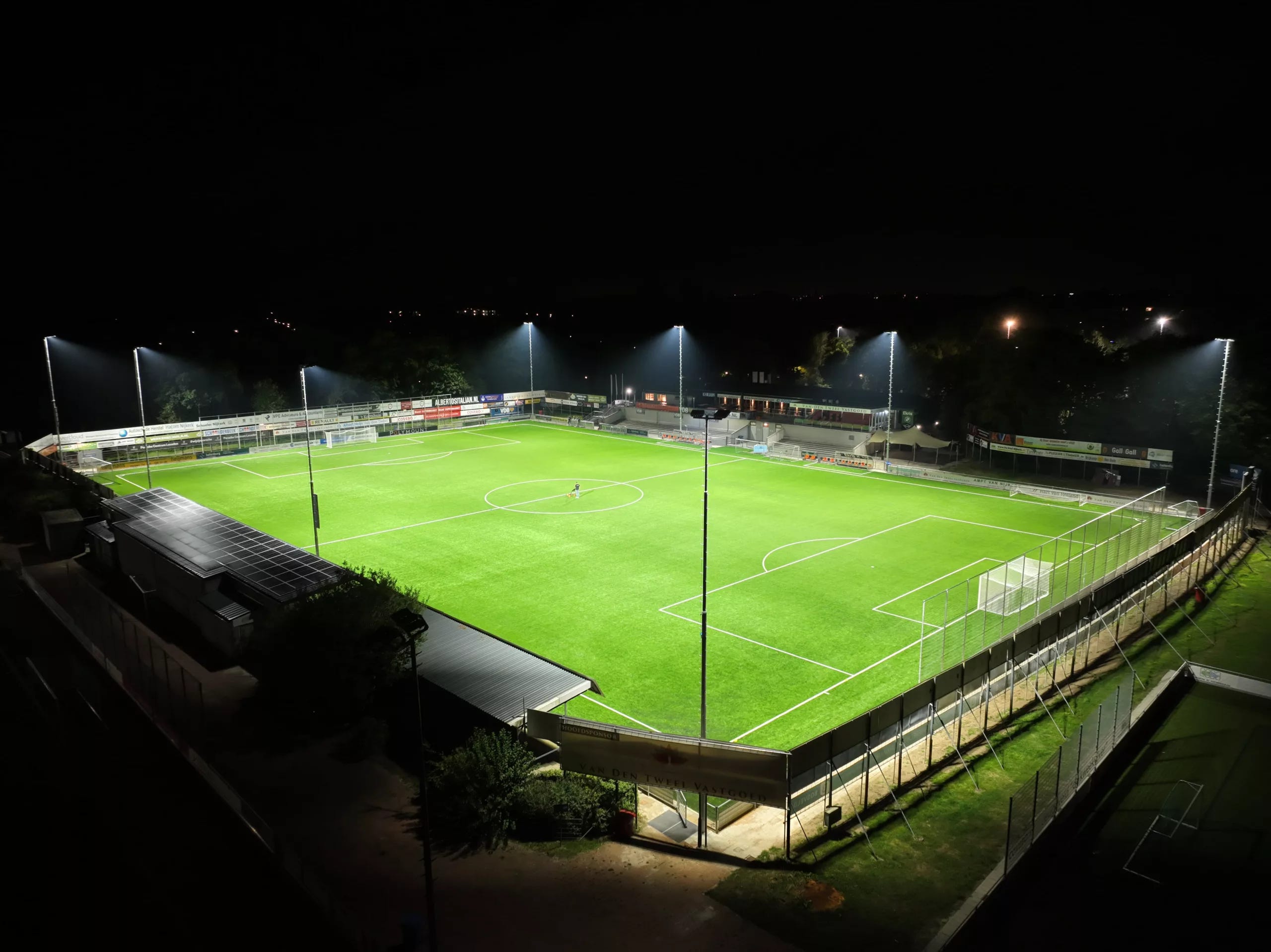
Even in more rural areas, we can experience the type of light pollution called “light trespass.” This occurs when light falls where it isn’t supposed to. When your neighbor’s porch light or security flood lights also shine on your yard, that is light trespass. When a sports field’s lights not only lights the stadium, but also the sky around it, that’s light trespass. Imagine someone living in a city where they can’t sleep unless they have blackout curtains against bright billboards, streetlights, car headlights, and more. That is the ultimate light trespass—it’s affecting that person’s life.
“Clutter,” another form of light pollution, also ties in with that urban scene I just described. where light from many sources combines and you can no longer tell where particular light is coming from. If you’ve ever been in a bright flashy place and you feel a little out of sorts or even confused by so many different types of light, you’ve experienced light clutter. Times Square or the Las Vegas strip might be the quintessential examples of this.
We’ve all experiences the type of light pollution called “glare.” Bright headlights from an oncoming car, an electronic billboard that is so bright it’s almost unreadable, or even when someone accidentally shines a flashlight in your eyes—all of these cause discomfort and make us blink and squint.
Causes of light pollution
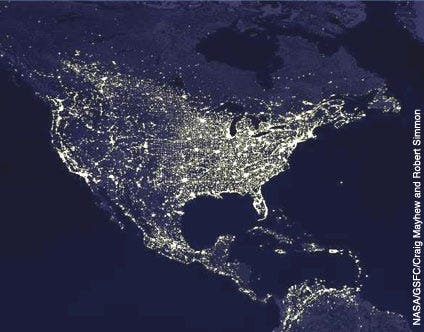
There are many causes of light pollution, and unlike some other sources of pollution, we can’t really point a finger at any one country or entity responsible. Light pollution is simply a by-product of industrialization and electricity. It exists all over the populated and industrialized world. Cities are the largest and most obvious sources of light pollution, because as you might guess, they have so many sources of light concentrated in one place. Astronauts can easily see cities at night from orbit. But rural areas have their own sources of light pollution.
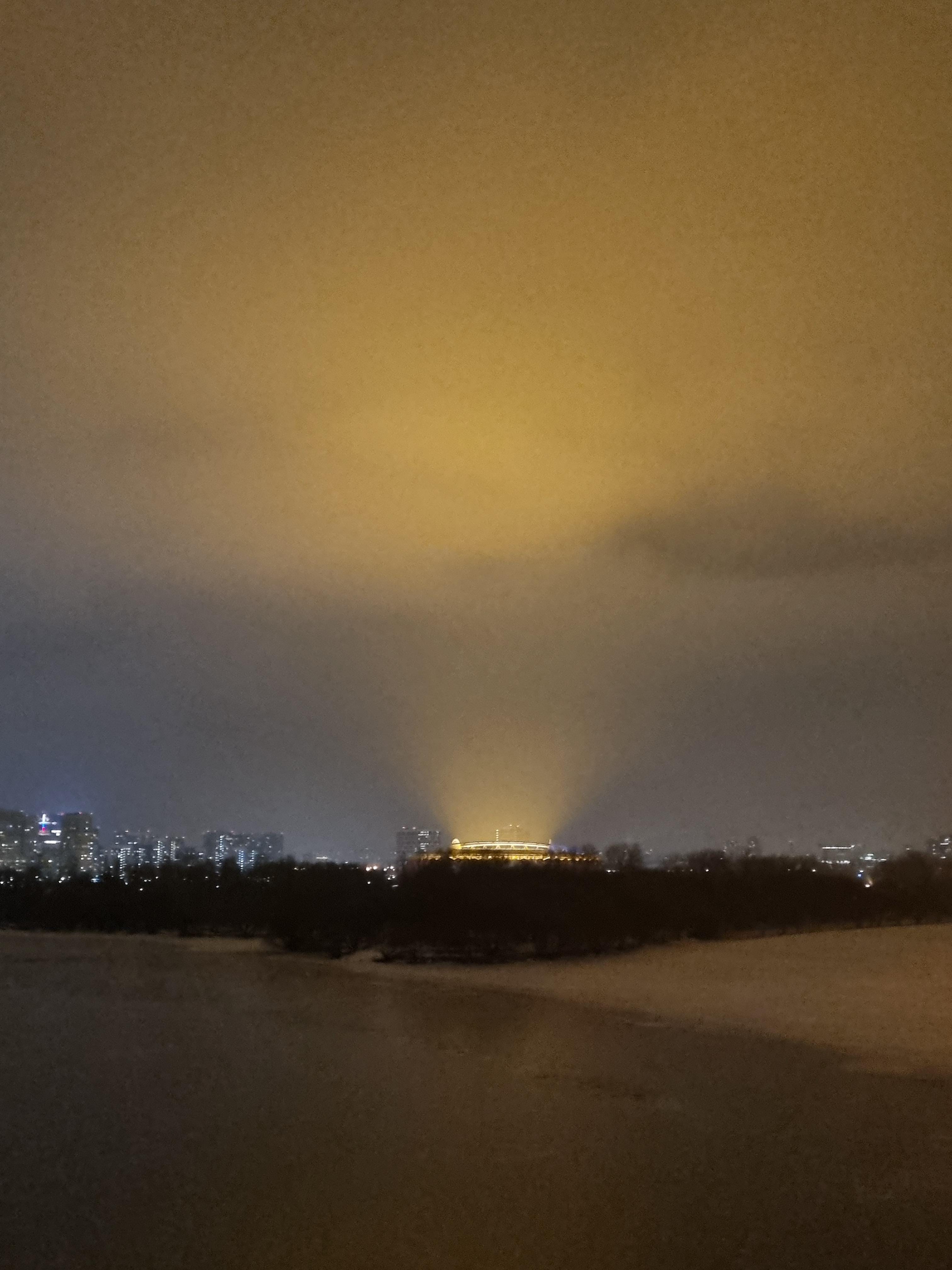
Outdoor lights like flood lights in yards and other properties, pathway lights, porch lights, and streetlights can all contribute to light pollution. Electronic billboards, which are up to ten times brighter than their traditional counterparts, blast light with no shielding or direction at all. Empty parking lots at stores, malls, shopping centers, and car dealerships after close are often kept brightly illuminated all night, with the light reflecting off the pavement and back up into the sky. Many sports stadiums have giant floodlights that are not thoughtfully placed or shielded that light up the entire neighborhood. Greenhouses, factories, apartment buildings, golf courses, landscaping and mood lighting, oil and gas refineries, cars, airports, and even your own house are all sources of light pollution.
Effects of light pollution
Scientists have been studying the effects of light pollution on us and the world around us for some time now. From bright screens before bedtime to the never-ending day-like glare of city lights, we’ve seen how lights can not only disrupt human sleep cycles, but can affect mental health as well. Artificial light has been shown to disrupt our bodies’ production of melatonin, a chemical that signals to our bodies that it’s time to sleep. New research is popping up all the time to study if light pollution can actually cause disease. If artificial lights affect humans this much, what do they do to wildlife?
Studies have shown that artificial lights can confuse birds and insects about hunting targets. It can interfere with bird migration patterns as well as large scale movements of other animals. Prey animals who once used darkness to protect themselves against predators now no longer have that cover. Frogs and other amphibians croak and make noises at sunset to attract mates. What happens to their mating cycles when the sun doesn’t set?
Light can misdirect baby sea turtles, sending them to the street from their beach nests rather than to the refections of the water. Birds that hunt at night can go off course because many of them use stars to navigate. Animals might also miss seasonal cues to migrate or rest. Insects that are attracted to lights die from exhaustion because they fly relentlessly at artificial lights all night, and the light also makes them easier to hunt. Their ability to mate and navigate are also affected. This has resulted in a decline in insect populations, and when insects decline, other animals in the food web follow. It affects the entire ecosystem.
Of course, energy consumption and light pollution go hand in hand. I’ve discussed how much untargeted and unshielded light is wasted around the world when it pours into the sky and the surrounding area. This is a huge waste of electricity, which means a huge waste of money. Much of our electricity is produced using fossil fuels, which leads to an increase of carbon dioxide and other greenhouse gases in the air. This leads to an increase of global climate change, which has far-reaching effects.
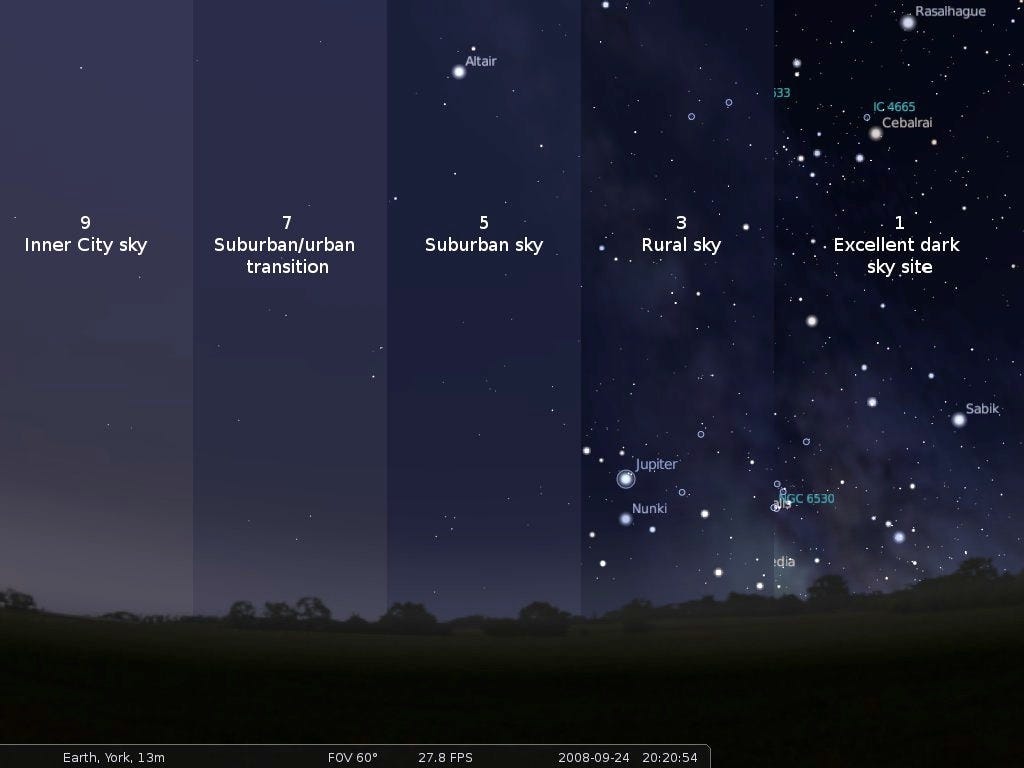
One of the most significant effects for us humans, however, is the loss of the night sky. Two hundred years ago, the sky was filled with countless stars. The smudges of the Andromeda galaxy and the Orion Nebula could be seen with the naked eye, even if our ancestors didn’t know what they were. The Milky Way streamed overhead, visible to any seeing person who looked up. Now…well, when was the last time you saw the Milky Way? Have you ever seen it? There are young and old people out there who have never seen a sky full of stars. I’ve heard tales of people going to a rural spot for the first time in their lives and wonder what all the white spots in the sky are. Over the past two hundred years, generations have grown up without the inspiration of the night sky for poems and paintings. If we still had to use the stars for navigation, we wouldn’t be able to. And fewer and fewer people look up at the night sky and wonder what’s out there, or if we are alone, or wonder at all.
There are solutions!
Now all of this might seem depressing. We are, as a society, dependent on lights to help us function after sunset. But there are things we can do to prevent some of the pollution our lighting might cause.
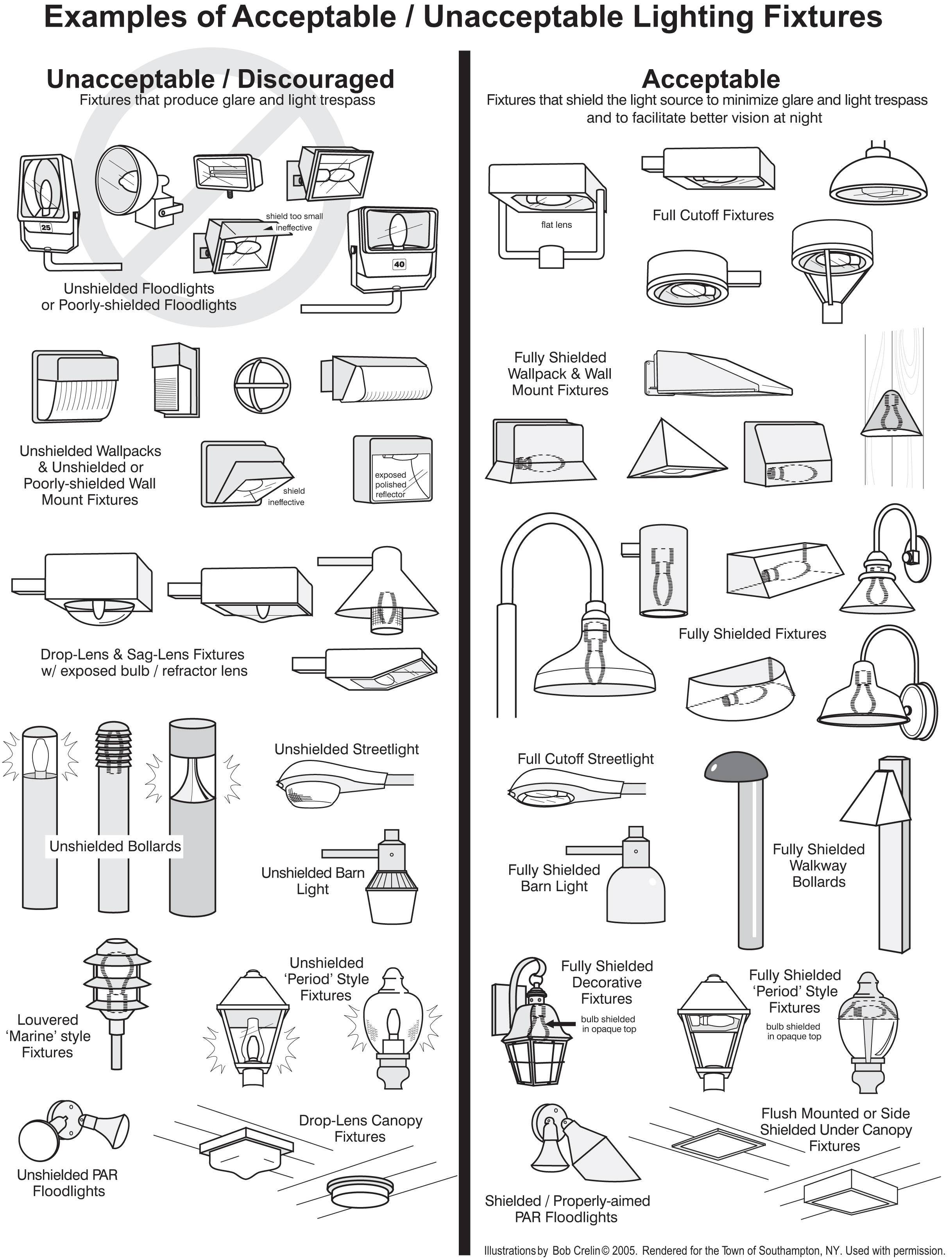
We can use timers and motion detectors so we don’t use light longer than we need to. We can get light fixtures that shield the light so it doesn’t shine up where we don’t need it, and carefully direct them so they shine at a target where we need light, rather than out in the distance or in the sky. We can turn off lights inside and outside when we aren’t present, and use dimmers so we only use the amount of light we need. We can also replace our lightbulbs with LED lights that are warm-toned rather than cool or blue. And most importantly, we can share information with others, including elected officials, about light pollution and its effects, and how we can prevent it. Many people don’t understand this problem and how important it is to make responsible lighting decisions.
Light pollution is bad for our world in so many ways. Won’t you help by being part of the solution?
Dark Sky International is an organization that has tons of information and resources on their website about light pollution. Visit them to learn much more!
Great post and summary. I feel a bit like a hypocrite commenting here because I live in an extremely light polluted city! Is it wrong to say that it's the city dwellers that are in dire need of starlight, more so than the ones who live under dark skies? If I were to ask my neighbours to switch their lights off-not the nice neighbours who would understand, but the ones I don't know well-I'd likely be met with an extremely hostile reply. In cities especially, I feel people get really defensive about lights, likely because of safety reasons. Which is very understandable! I feel very unsafe walking alone at night and safety (along with more extreme claims re: human health effects) is one of the more contentious topics with regards to dark skies/light pollution. The exception is if it shines directly into their bedrooms at night, and even so, the property owners will say 'get blackout blinds', rather than fixing the problem, or would change the light but it would be even worse and brighter.
I just want to add something re: sky glow. I know that can also get it even if there is no moisture (I'm presuming you mean clouds) in the air and the sky is crystal clear, with little to no air pollution and extremely dry. Any misdirected lights would pollute the sky regardless and make it glow. It's not an atmospheric phenomenon, you would probably get skyglow on the Moon if people ever decide to put artificial lights there!